
Articles

Evgeny Krylevsky
Evgeny Krylevsky
Head of Krylevsky School

Saxophone care: how to maintain the instrument

In this article we will discuss how to make the saxophone last long and keep playing comfortable

General rules

The saxophone is a complex musical instrument that requires special care. By following simple rules, you can keep it in good condition on your own.

  • Do not apply excessive force when caring for the saxophone. It is a fragile instrument.
  • Do not try to repair the saxophone yourself. For any damage or defect, consult a technician.
  • Use special products. In some cases, you can replace them with common household ones — we will mention them separately.
Wiping

Wiping inside

Inside — after every practice session. Once the instrument is in the case, the increased humidity will damage the pads, corks, and felt inside the saxophone.

1

Wipe the neck. Remove the neck, drop the swab weight into the wide part of the neck that goes into the saxophone body, then pull it out together with the swab from the other side. Repeat once more.

2

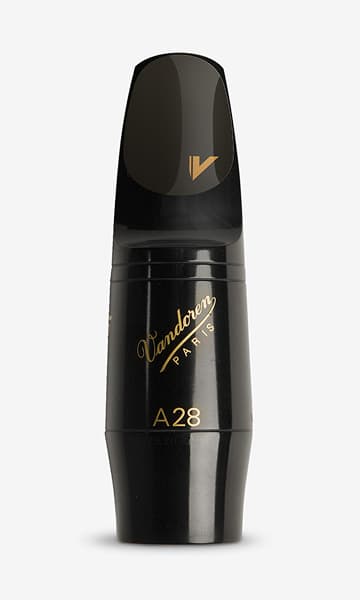
Wipe the mouthpiece with the same swab you use for the neck. Drop the weight from the beak side and pull it out from the other side. Then repeat.

3

Wipe the body of the saxophone. There is also a separate swab for this. The actions and order are the same: drop the weight into the bell, turn the saxophone over and pull the swab out, then repeat, then in the opposite direction.

Watch the video:

Wiping the parts of the saxophone

Совет!

I do not recommend using a cleaning rod: it absorbs moisture but then releases it onto the pads, and as a result they deteriorate.

Wiping outside

Outside — at least once a month. Use only special swabs and products (more on this in the article “Recommendations for buying a saxophone”). Try not to snag the springs so as not to damage the swab cloth.

Care for the mouthpiece and cork

Replace the pad in time

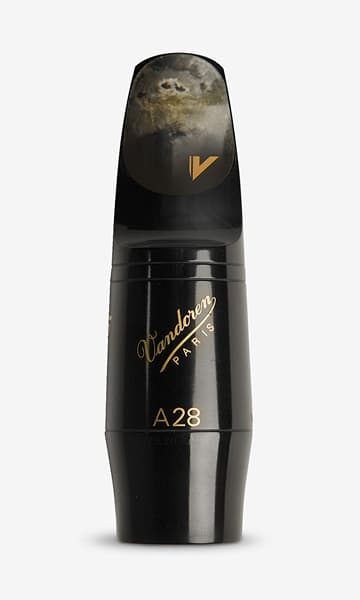
If you have a used mouthpiece, check whether the pad needs to be replaced: if it looks relatively fine, you can keep it for now, but if there are many scratches and tooth marks on it and the pad has shifted, it should be replaced.

Pad in good conditionPad in good condition
Pad in poor conditionPad in poor condition

Совет!

Sometimes when performing détaché, a novice musician shortens the duration of the note: touching the reed with the tongue is a new action that can interfere with correctly calculating the sounding time. Make sure the duration is maintained.

Remove the mouthpiece from the cork after each session.Otherwise the cork will compress faster and you will have to replace it more often.

Care for the neck

Wipe grease from the socket

Socket — the part of the neck that is inserted into the body of the saxophone. It is usually lubricated with saxophone grease. Over time, grease accumulates on the socket and the neck goes on with difficulty. Wipe the grease off with a dry tissue to avoid this.

Use oil instead of grease

Saxophone grease leaves sticky residue, unlike oil, which leaves no traces and lubricates evenly. You can buy the most ordinary household oil on marketplaces.

Pad care

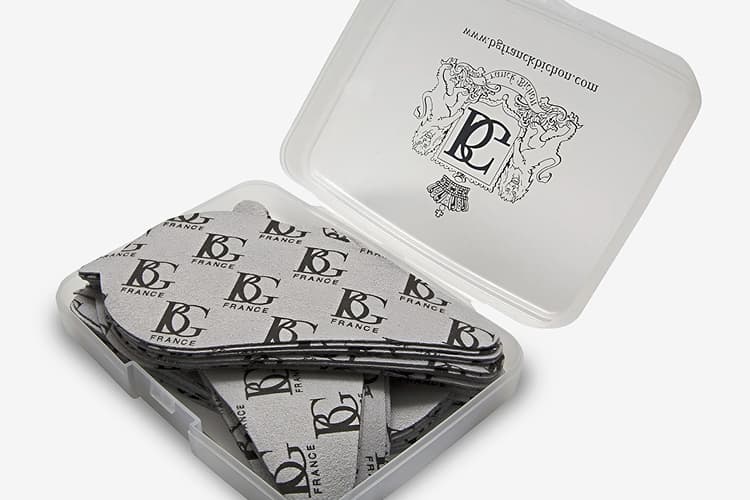
Wipe moisture from the pads after each playing

This will make the keys last longer. Pay special attention to the upper keys from C1 to C5 — they wear out faster.

Swab for padsSwab for pads

Adjustment and overhaul — by a technician

There are two procedures that need to be carried out periodically — adjustment and overhaul.

Adjustment

During adjustment all keys and posts are checked, and whether the instrument seals — how tightly the pads fit the tonehole. Adjustment is done by a technician 1–2 times a year.

Overhaul (major repair)

With intensive playing for 2–3 hours a day and regular performances, a major overhaul is required every five years: replace all pads on the keys, align posts and keys, perform cleaning and other operations. If you do not play too often, partial repairs are sufficient: replacement of individual keys and adjustment.

Usually the need for adjustment and repair is indicated by the teacher. If you are experienced enough, you can understand yourself that something is wrong with the instrument.

Saxophone and safety rules