
Articles

Evgeny Krylevsky
Evgeny Krylevsky
Head of Krylevsky School

21 safety rules for saxophone

This article covers how to assemble and disassemble, use, store, and transport a fragile instrument

General rules

The saxophone is very fragile; any physical impact can damage it. Here are the basic rules that will help you keep the instrument intact.

1

Do not throw the saxophone or swing it.

2

Keep the instrument away from small children.

3

Use a case, gig bag, or hard case for storage and transport.
Assembly and disassembly

4

Do not rush when assembling so you don’t drop anything. The parts are fragile and easy to break, so it is better to assemble over a soft surface.

5

First put the mouthpiece on the neck, then the reed. It is easier to hold a larger part in your hand and place the reed, and the mouthpiece will not slip out of your hands.

6

When putting the mouthpiece on the neck, keep your hand closer to the cork so as not to bend the crook — it is quite soft.

7

When putting the neck on, screw it in with light movements, but do not rotate it in a circle — this can also bend the crook.

8

At the end of a session, always disassemble the saxophone, wipe the parts, and put them in the gig bag or case. Put the reed in a special reed case.

9

Use swabs strictly for their intended parts, otherwise you will damage the instrument. For example, do not wipe the neck with a body swab — it may get stuck. Do not try to pull out a stuck swab; contact a technician.

Как ухаживать за саксофоном: 7 основных правил

Сборка-разборка

10

Не храните инструмент

  • Вблизи источников тепла — нагревателей, батарей и т.п.
  • В холодных условиях и помещениях без обогрева. Не оставляйте саксофон в машине зимой.
  • В помещениях с повышенной влажностью.

Все это может нарушить баланс клавиш, а также испортить соединения, подушки и войлок. Играть на таком инструменте будет неудобно, придется отнести его в ремонт.

11

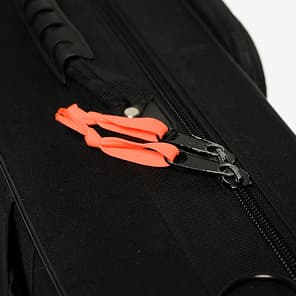
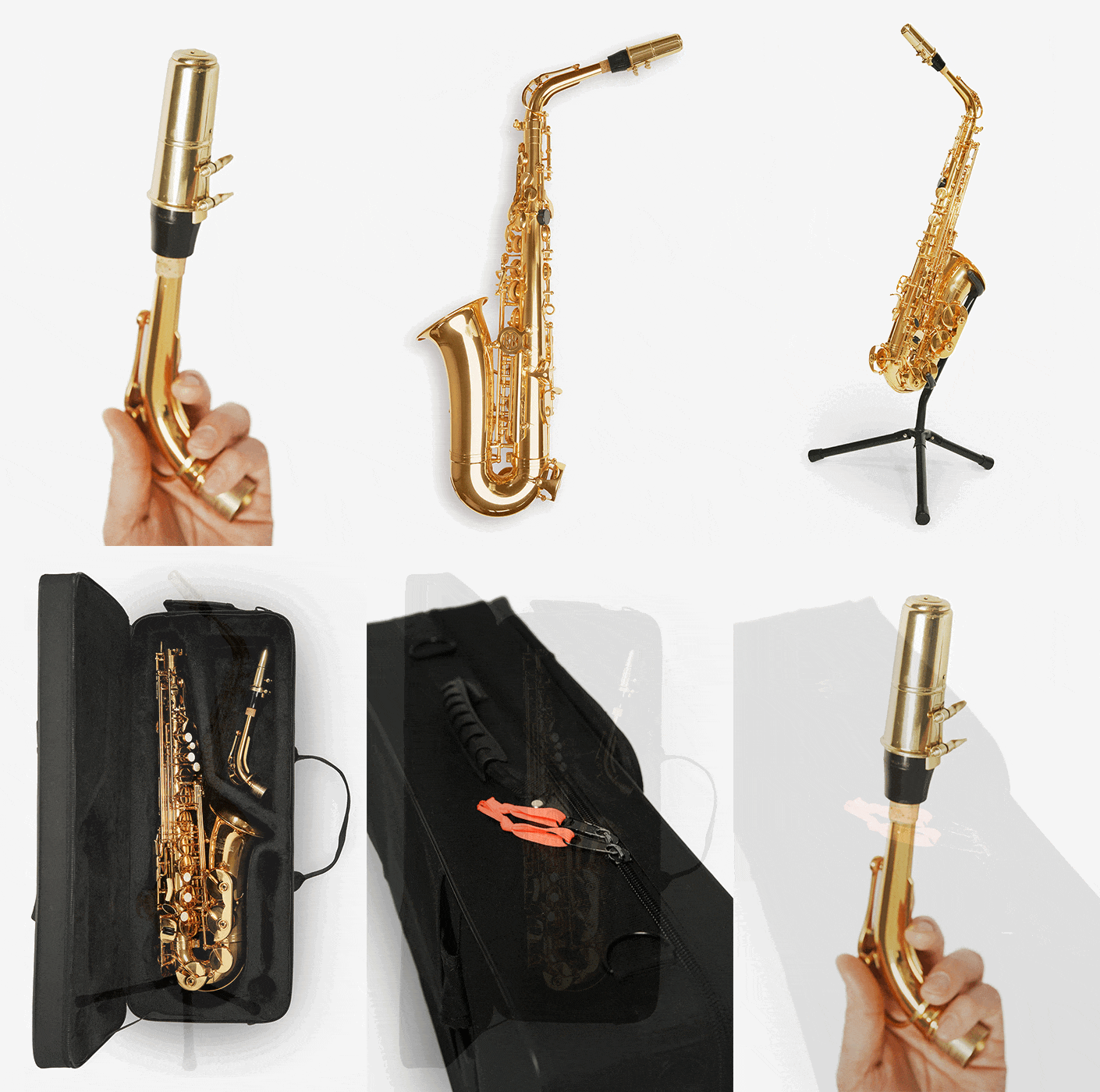
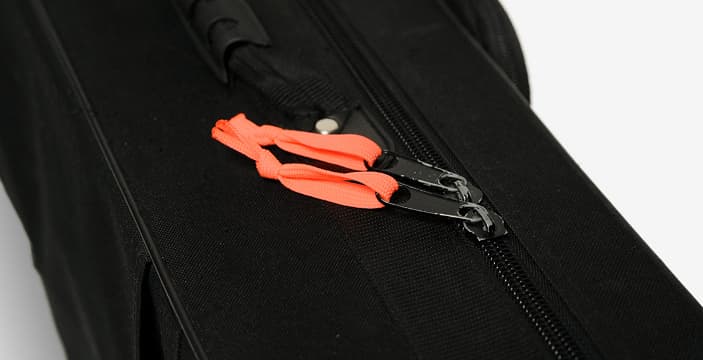
Always zip the bag and lock the case. Do not just cover the case: the saxophone can fall out. Even experienced musicians often forget about this. Tie bright laces to the zipper pulls — then you will always know whether the bag is closed.

Bright laces make the zipper noticeableBright laces make the zipper noticeable
12

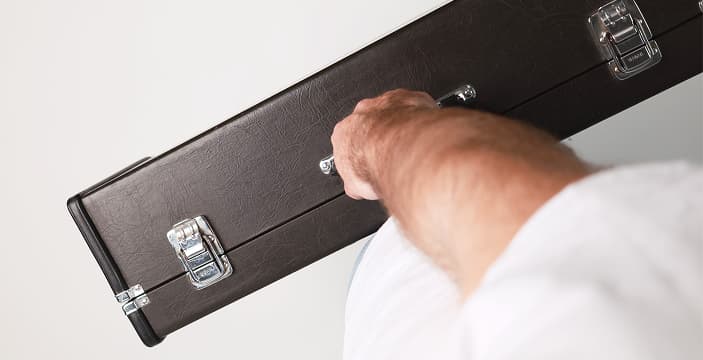
If you have a case with locks, when carrying it keep the narrow side towards you. Then, if it opens unexpectedly, the saxophone will fall not outward but onto you — so it has a better chance of staying intact.

Hold a locked case with the narrow side toward youHold a locked case with the narrow side toward you
13

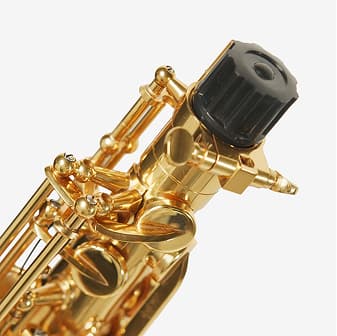
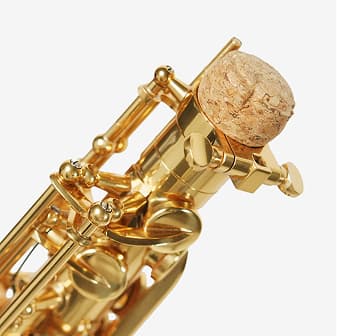
Use an end plug for the saxophone. Without a plug, the saxophone will wobble inside the case, and the octave pin can be damaged. Instead of a plug, you can use a champagne cork.

Special end plug for saxophoneSpecial end plug for saxophone
Champagne cork used as a plugChampagne cork used as a plug
14

Do not put foreign objects in the case. Store sheet music either in the special compartment of the bag or separately from the saxophone.

15
Store the saxophone in its case on the floor, in a horizontal position. Do not keep it on high shelves or racks: if it falls, it can be damaged even in the case.
16
If you are going on a long trip or sending the saxophone by a carrier, wrap all parts of the saxophone in bubble wrap (pack the mouthpiece especially carefully) and put it in a hard case. Do not use a soft gig bag; it is unsafe.

Use

17

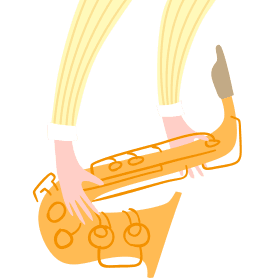
Hold the instrument by the bell and do not press on the posts and keys. If you take it by the neck (the upper part), the body of the saxophone may fall out.

IncorrectIncorrect
CorrectCorrect
18

Do not play the saxophone near objects at waist level, for example, a table. A blow of the bell against the edge of a table can injure your palate and teeth. The bell can also shift, and you will not be able to play the lowest notes.

19

When the saxophone is hanging on the strap, support it by the bell. If the snap hook breaks, the saxophone will fall.

20
Taking a breakTaking a break

How to set the saxophone down during a break:

First put the cap on the mouthpiece — a removable part that covers the reed.

Then give the instrument a stable position. You can:

  • place the saxophone on a stable surface (sofa or table) with the keys facing down;
  • put it on a special stand. This is usually done during performances;
  • place the saxophone in the gig bag after first removing the neck.

If you put the saxophone in the bag, either leave it open or zip it closed so the instrument does not accidentally fall out.

21

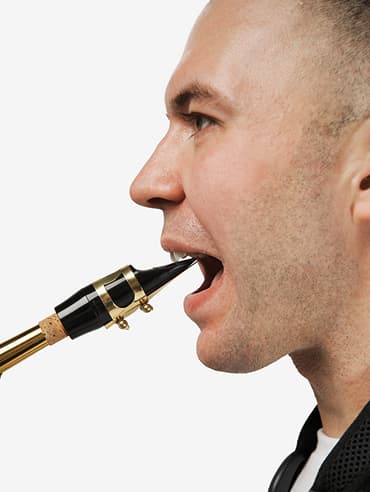
Do not press on the mouthpiece with your teeth so as not to bend the neck.

Зубы на мундштукеЗубы на мундштуке

We have listed the basic rules for the most typical situations of a saxophonist, but it is impossible to foresee absolutely everything. The main thing to remember is that the instrument is fragile and should be handled with care.