
Articles

Evgeny Krylevsky
Evgeny Krylevsky
Head of Krylevsky School

Mouthpiece pad for saxophone: everything you need to know

This article covers mouthpiece pads: what types there are, how to apply them correctly, and how often to replace them.

What is a mouthpiece pad

A pad helps fix your teeth on the mouthpiece. Without it, the teeth will slip and leave marks on the mouthpiece, which is the most fragile and fairly expensive part. Pads are rarely included with the mouthpiece.

If applied correctly, a pad can last for a year or even longer. Usually it is replaced once every couple of years.

Previously, pads were not so common; electrical tape or other improvised materials were used to fix the teeth. Now you can buy pads in any wind instrument store or on marketplaces.


What kinds of mouthpiece pads are there

There are two types of pads — thinner and thicker:

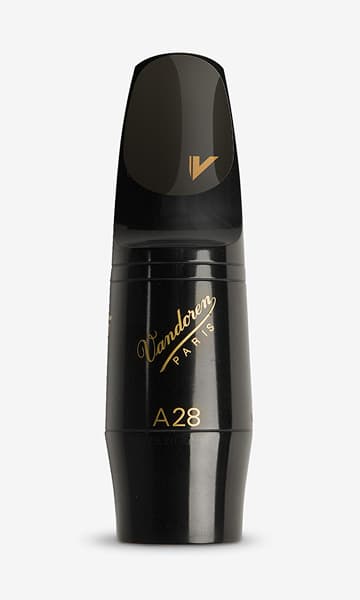
Thickness ≈ 0.3 mm. Usually transparentThickness ≈ 0.3 mm. Usually transparent
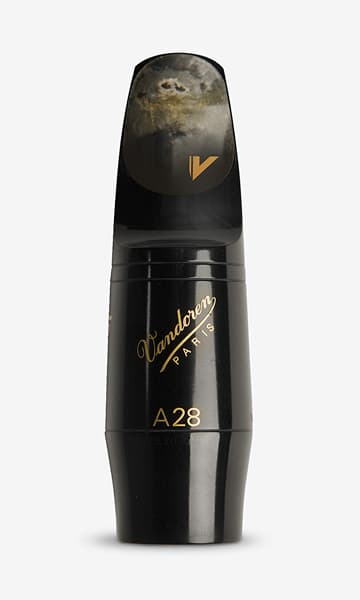
Thickness ≈ 0.8 mm. Usually blackThickness ≈ 0.8 mm. Usually black

I recommend transparent Vandoren pads to students: they are thinner and almost imperceptible; the mouthpiece feels natural.

A thicker pad can feel like a foreign object under the upper lip, so you may feel changes in embouchure. On the other hand, thicker pads can be slightly worn in with the teeth and fixed more firmly.

How to set your teeth on the pad

When to replace the pad

It depends on its condition.

Do not replace:

Intact and firmly in place. Teeth will not wear the mouthpiece.

Pad in good conditionPad in good condition

Replace:

Worn through, partially peeled off, and “moves.”

Pad in poor conditionPad in poor condition

Совет!

If the pad “moves,” do not glue it: you will damage the mouthpiece. Replace the pad in time, otherwise you can damage the mouthpiece with your teeth.

How to apply a pad to the mouthpiece

Option 1. New mouthpiece

If the mouthpiece is new, there is most likely no pad on it yet. Your steps:

1

Wipe the mouthpiece with an alcohol wipe (preferably FirstAid brand; it’s larger and denser). If you don’t have a wipe, use a cotton pad moistened with a small amount of alcohol or vodka. Make sure there are no fibers or grease left on the mouthpiece.

2

Peel the pad from the paper backing and carefully stick it onto the mouthpiece so that the shapes match. Press as firmly as possible with your finger.

Совет!

If you stuck it incorrectly, do not press the pad and do not rub it! You have 3–5 seconds to reposition before the glue has finally bonded.
3

Rub the pad with a soft cloth so the adhesive bonds better.

Watch the video for clarity:

Applying a pad to a new mouthpiece

Option 2. Used mouthpiece

If there is already a pad, do not rush to remove it. To check its condition: wash the mouthpiece with soap and wipe it with an alcohol wipe. If the pad holds, leave it. If it is badly swollen or its edges have lifted, better replace it:

1

Carefully remove the pad. If it does not come off, the previous owner may have glued it on. In that case, it is better to take the mouthpiece to a technician.

2

Wash the mouthpiece with room‑temperature water and soap. You can wash off the glue with a soft‑bristled toothbrush so as not to scratch the mouthpiece. There is no need to brush the inner part of the mouthpiece or its table.

3

Dry the mouthpiece by wiping it with a soft towel or by letting it air‑dry.

4

Wipe the mouthpiece with an alcohol wipeor a cotton pad soaked in alcohol to remove residual glue and grease.

5

Apply the pad as described above: peel it from the paper backing, align it to the shape of the mouthpiece, and press it down.

Совет!

If you stuck it incorrectly, do not press the pad and do not rub it! You have 3–5 seconds to reposition it before the glue has set completely.
6

Finally, rub with a soft cloth so that the adhesive bonds properly.

Watch the video:

Applying a pad to a used mouthpiece

How to extend the pad’s lifespan

If you want the pad to last as long as possible, follow a few simple rules:

  • Do not bite the mouthpiece and do not rub your teeth on it. People often do this unconsciously, and the pad wears out faster. It is important to stop yourself in time.
  • Do not use glue. When the pad wears out, it will need to be removed. If there is glue, you will not be able to do this without damaging the mouthpiece. This is the main rule.
  • Replace the pad in time. At some point teeth can wear it through to the mouthpiece, and scratches will appear. A mouthpiece is very expensive, so it is easier to replace the pad than the mouthpiece.